 中文
中文 English

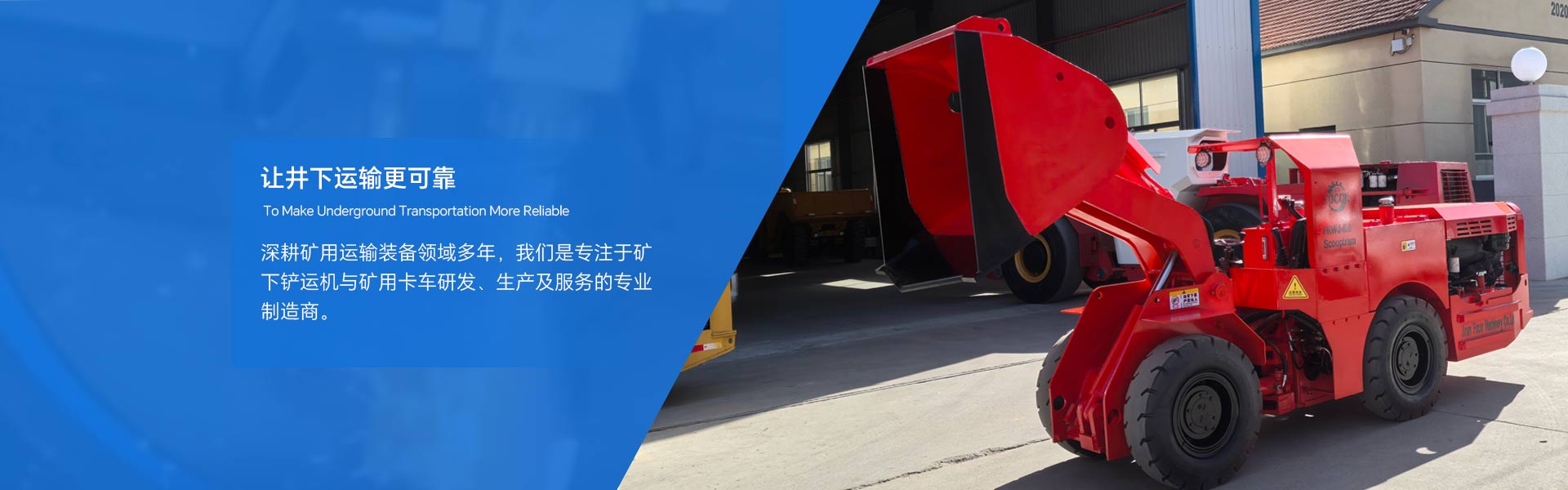
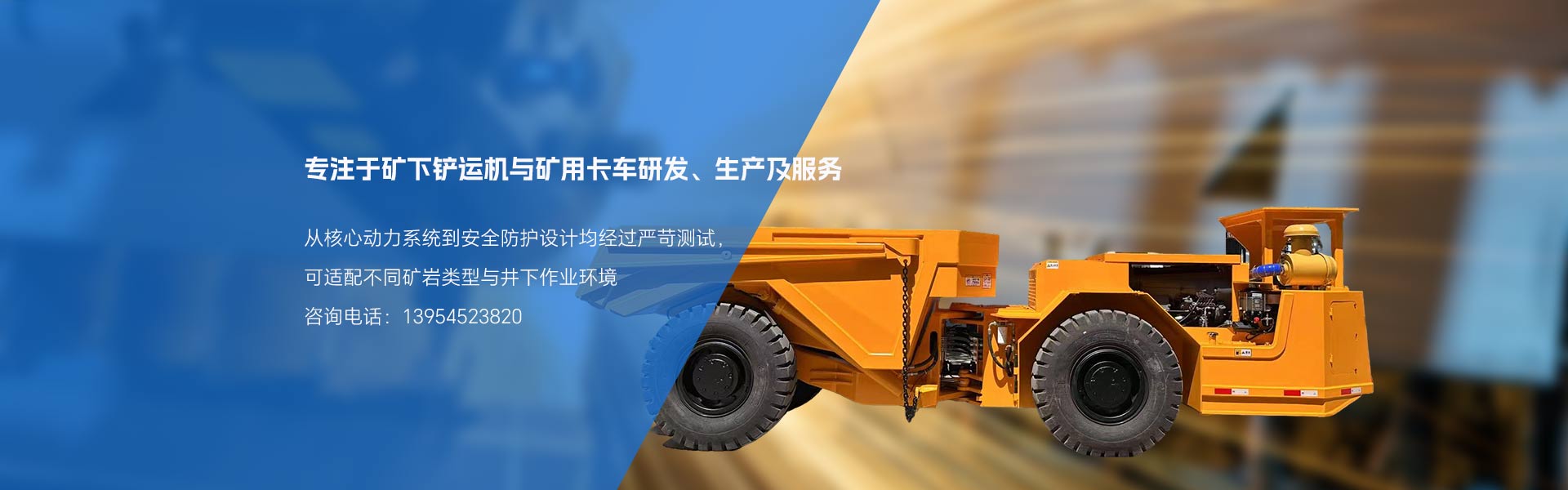
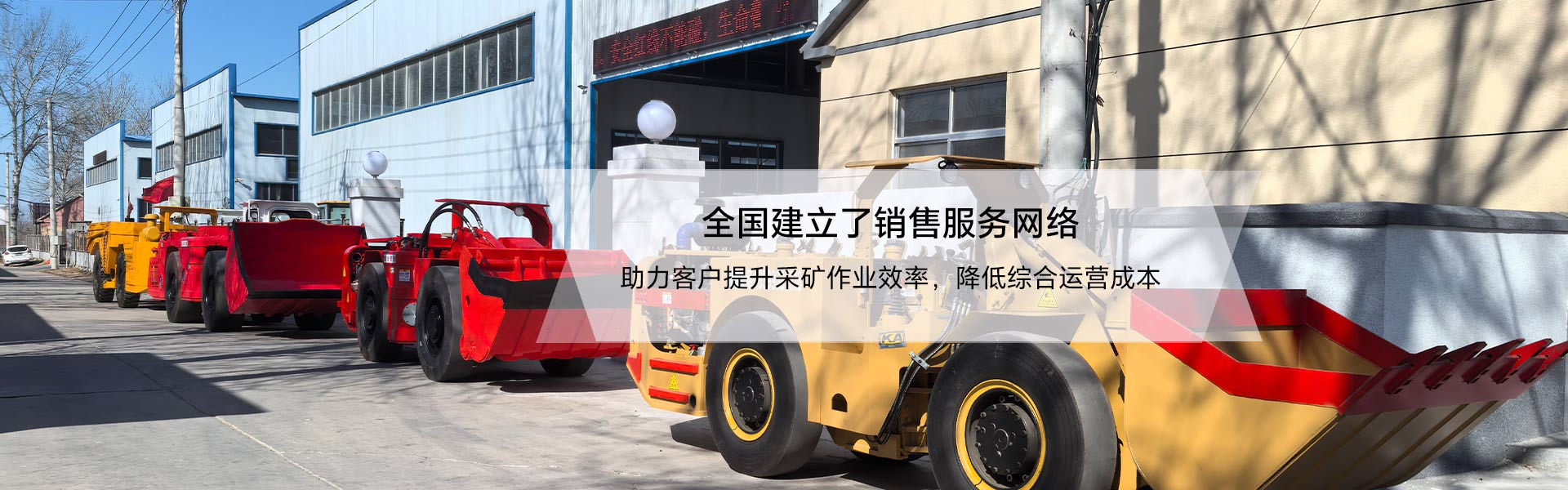
Mining trucks, also known as off-highway haul trucks, are engineered to transport massive volumes of ore, overburden, and waste rock in open-pit mines and quarries. Their robust design, high payload capacity, and operational efficiency make them indispensable to modern mining operations. Below are the key industry advantages that solidify their position as a cornerstone of mining logistics:
1. Ultra-High Payload Capacity for Economies of Scale
Mining trucks are built to carry payloads ranging from 100 to 400 tons in a single trip, significantly outperforming on-road dump trucks. This massive capacity reduces the number of cycles required to move millions of tons of material daily, slashing fuel consumption and labor costs per ton by up to 40% compared to smaller vehicles. For example, a single 400-ton truck can replace 8–10 standard 40-ton trucks, streamlining fleet management.
2. Durability in Extreme Operating Conditions
Designed to withstand harsh mining environments, these trucks feature:
Reinforced chassis and all-wheel drive for traction on steep grades (up to 20% incline).
Heavy-duty suspension systems to absorb shocks from uneven terrain.
Sealed components to prevent dust and water ingress, ensuring reliability in arid or wet conditions.
High-temperature resistance for operations in desert or tropical climates.
This ruggedness reduces downtime and maintenance costs, with some models achieving 90%+ operational availability in well-managed fleets.
3. Fuel Efficiency Through Advanced Engineering
Modern mining trucks integrate technologies to optimize fuel use:
Tier 4/Euro VI-compliant engines with selective catalytic reduction (SCR) to cut emissions.
Electric or hybrid powertrains (emerging models) reducing diesel dependency by 30–50%.
Regenerative braking systems that capture energy during descent, lowering fuel consumption on hilly terrain.
For instance, Komatsu’s 930E electric-drive truck consumes 15% less fuel than mechanical-drive counterparts in continuous haulage.
4. Integration with Autonomous Mining Systems
Leading manufacturers (e.g., Caterpillar, Rio Tinto) are deploying autonomous mining trucks that operate 24/7 without human intervention. These vehicles use:
GPS and LiDAR for precise navigation.
AI-driven route optimization to avoid congestion and reduce cycle times.
Remote monitoring by control centers to adjust operations in real time.
Autonomous fleets have demonstrated 20% higher productivity and 15% lower operating costs by eliminating human error and shift changes.
5. Safety Innovations to Protect Workers
Mining trucks prioritize operator safety with features such as:
Enclosed cabs with air conditioning and ergonomic controls to reduce fatigue.
Collision avoidance systems using radar and cameras to detect obstacles.
Rollover protection structures (ROPS) and fire suppression systems for emergencies.
Fatigue monitoring via in-cab sensors to alert operators of drowsiness.
These innovations have reduced fatal accidents in mining by 65% over the past decade, according to ICMM reports.
6. Cost-Effectiveness Through Total Life Cycle Management
While mining trucks have high upfront costs ($2–5 million per unit), their long-term savings justify the investment:
Lifespan of 15–20 years with proper maintenance.
Low spare part costs due to standardized components across models.
Resale value of 40–60% after a decade of use, depending on condition.
Additionally, contract mining firms often lease trucks, spreading costs over time while accessing the latest technology.
7. Environmental Sustainability
The industry is shifting toward greener mining trucks:
Electric models (e.g., eDumper) powered by renewable energy reduce carbon footprints.
Hydrogen fuel cell prototypes offering zero-emission haulage.
Tire recycling programs to minimize waste from 4-meter-tall tires.
For example, BHP’s autonomous trucks in Australia cut CO₂ emissions by 300,000 tons annually through optimized routing.
Conclusion
Mining trucks are the workhorses of global resource extraction, combining brute strength with cutting-edge technology to deliver unmatched efficiency, safety, and sustainability. As mines expand into remote or environmentally sensitive regions, the demand for autonomous, electric, and ultra-durable trucks will surge, driving innovation in battery tech, AI navigation, and modular design. Companies that invest in these advancements will secure a competitive edge in the transition to a low-carbon mining future.